

The Global Candy and Sweet Market research report Adaptive Research Reports provides a detailed analysis. It covers different types (Chocolate, Gummies, Hard Candies, Licorice, Lollipops and Sours, Chewing Gums, Cotton Candy) and applications (Food & Beverage Stores, Convenience Stores, Supermarkets & Grocery Stores, Specialty Food Stores, Gasoline Stations, Warehouse Clubs, Super centers & Big Box Retail), looks into what customers want, and considers what competitors are doing. The report also looks at how big the Candy and Sweet market is and studies trends in the industry to see how it might grow.
ICUMSA Sugar Product Types: A Global Standard of Sweetness
The ICUMSA scale—short for International Commission for Uniform Methods of Sugar Analysis—is the gold standard for classifying sugar based on its color, purity, and intended use. Whether you’re sourcing sugar for pharmaceuticals or fermentation, understanding these grades is essential for quality control, trade compliance, and product performance.
📊 ICUMSA Sugar Grades Comparison Chart
Type | ICUMSA Units | Color | Purity (%) | Moisture (%) | Ash (%) | Common Uses | Calories (per 100g) | Glycemic Index |
ICUMSA 45 | ≤ 45 | Brilliant white | 99.8 | 0.04 | 0.04 | Pharmaceuticals, beverages, confectionery | 387 kcal | 65 |
ICUMSA 100–150 | 100–150 | Off-white | 99.5 | 0.08 | 0.10 | Bakery goods, regional sodas | 387 kcal | 65 |
ICUMSA 200 | ≈ 200 | Standard white | 98.0 | 0.10 | 0.15 | General food-grade applications | 388 kcal | 65 |
ICUMSA 600–1200 | 600–1200 | Light brown | 96.0 | 0.25 | 0.25 | Ethanol production, fermentation | 390 kcal | 60 |
VHP Sugar | 800–1200 | Light to dark brown | 99.4 | 0.25 | 0.25 | Industrial refining, specialty syrups | 389 kcal | 60 |
ICUMSA 1600–2000 | 1600–2000 | Dark brown | 95.0 | 0.30 | 0.30 | Heavy-duty refining, molasses feed | 390 kcal | 60 |
🧪 What ICUMSA Really Measures
- Color Index: The lower the ICUMSA number, the whiter and more refined the sugar. ICUMSA 45 is the purest, often used in pharmaceuticals and high-end food products.
- Purity & Ash Content: Ash content reflects mineral residue—lower values indicate cleaner sugar. ICUMSA 45 has minimal ash, while ICUMSA 1600+ retains more natural molasses.
- Moisture: Higher moisture levels in raw sugars like ICUMSA 1600–2000 can affect shelf life and processing efficiency.
🍭 Application Deep Dive
- ICUMSA 45: The crown jewel of sugar grades. Its sparkling white crystals and ultra-low impurity levels make it ideal for soft drinks, medications, and luxury confections.
- ICUMSA 100–150: Slightly less refined, this grade is perfect for bakeries, regional sodas, and processed foods where color isn’t critical.
- ICUMSA 200: A workhorse in the food industry—used in canned goods, sauces, and snacks.
- ICUMSA 600–1200: With its molasses tint, this grade is favored in biofuel production, yeast fermentation, and distilleries.
- VHP Sugar (Very High Polarization): Though brown in color, it boasts high purity and is often used in industrial refining to produce whiter grades.
- ICUMSA 1600–2000: The darkest and least refined, this sugar is typically destined for molasses extraction, animal feed, or heavy-duty refining.
🔬 Nutritional & Health Notes
- All ICUMSA grades are sucrose-based, meaning they deliver similar calories and glycemic impact.
- Glycemic Index remains high across the board, so moderation is key—especially for individuals managing blood sugar levels.
- Mineral content increases slightly in darker sugars due to retained molasses, offering trace amounts of iron, calcium, and potassium.

Sweeteners use in Chocolate bars, chocolate-covered cookies/wafers/biscuits/pretzels, truffles/filled centers, moulded chocolates, panned chocolates, toffee, caramel, nut candies, brittle, marzipan, hard candies/mints, lollipops, lozenges/cough drops, jelly/chewy/gummy candies, jelly beans, fruit snacks, licorice, interactive/novelty, marshmallow, yogurt candies, chocolate spreads, gum, sugar-reduced candies, snack bars…
We carry a variety of conventional and organic sugar and sugar alternatives in bulk at wholesale prices. Our product portfolio includes alternative sweeteners such as honey, nectars, syrups, and xylitol for use in food and beverage manufacturing, culinary and baking applications, nutritional and dietary supplements, and energy and protein bars.
A sugar substitute is a food additive that provides a sweetness like that of sugar while containing significantly less food energy than sugar-based sweeteners, making it a zero-calorie (non-nutritive) or low-calorie sweetener. Artificial sweeteners may be derived through manufacturing of plant extracts or processed by chemical synthesis. Sugar substitute products are commercially available in various forms, such as small pills, powders, and packets.
Common sugar substitutes include aspartame, monk fruit extract, saccharin, sucralose, stevia, acesulfame potassium (ace-K), and cyclamate. These sweeteners are a fundamental ingredient in diet drinks to sweeten them without adding calories. Additionally, sugar alcohols such as erythritol, xylitol, and sorbitol are derived from sugars.

Humban is Sugar exporters, a leading supplier of premium quality Sugar from Brazil, India, China, Thailand, the United States, Pakistan, Mexico, CIS, France, and Germany deepened on need of industries & Consumers around the world. We supply granulated refined crystal white sugar ICUMSA type 45 / 100 / 150 and granulated brown sugar (VHP) all in strong 50 kg pp bags. All sugar is made by first extracting sugar juice from sugar beet or sugar cane plants, and from there, many types of sugar can be produced. Through slight adjustments in the process of cleaning, crystallizing and drying the sugar and varying the level of molasses, different sugar varieties are possible.
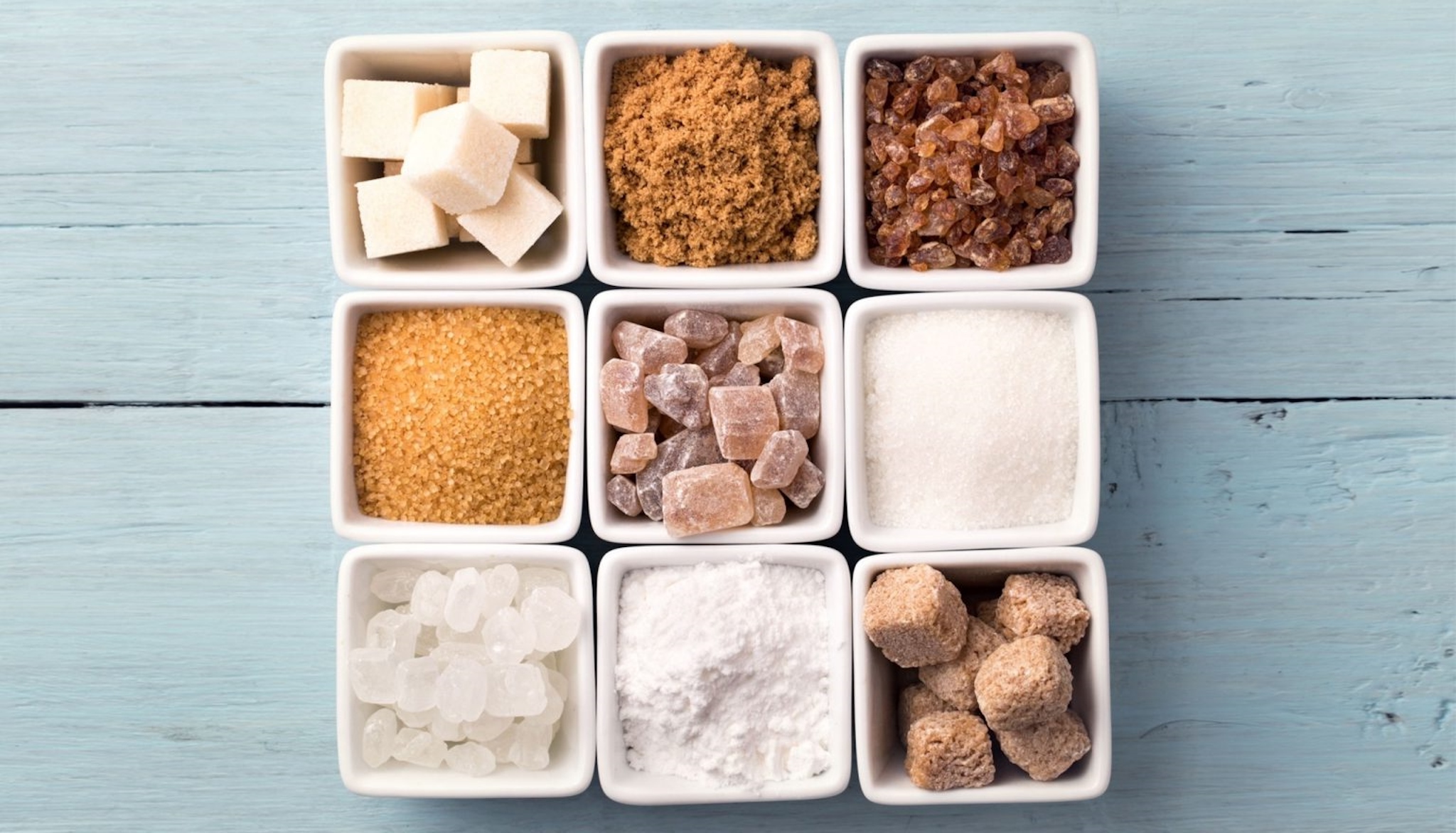
Sugars are classified in a number of ways including crystal size (granulated, powdered, or superfine) and color (white or brown). Sugars of various crystal sizes provide unique functional characteristics that make the sugar suitable for different foods and beverages. Sugar color is primarily determined by the amount of molasses remaining on or added to the crystals, giving pleasurable flavors and altering moisture. Heating sugar also changes the color and flavor. Some types of sugar are used only by the food industry and are not available in the supermarket.
Sugar Wholesale Price – Top Grade Refined Cane Sugar
Variety: Fine Crystal Sugar | Big Granulated Sugar | Extra Fine Crystal Sugar | Sugar Powder | Fine Crystal Sugar | Raw Sugar
Delivery Options: White Sugar in one 20ft containers stuffed with 26mt or 520 bags of 50kg net weight each; Raw sugar in one 20ft containers stuffed with 25mt or 500 bags of 50kg net weight each CONSUMER PACKING: 1 and 2 Kilograms bags Currently, about 110 countries produce sugar from either cane or beet, and eight countries produce sugar from both cane and beet. Sugarcane, on average, accounts for nearly 80% of global sugar production. Last October/September season the top ten producing countries (India, Brazil, Thailand, China, the US, Mexico, Russia, Pakistan, France, Australia) accounted for nearly 70% of global output.
SUGAR ORIGINS
BRAZILIAN ORIGIN
Brazil is a large sugar producer (over 36 million tons), but with very low production of white refined, Icumsa 45 (near 4.5 million tons/year). Humban Group should also know that this sugar is disputed by more than 20 large traders. To fulfill the need of sugar producers for finance and security, sugar is traded before production. Therefore, third parties, new comers, will not be able to get large quantities. Most Icumsa 45 is committed in advance to those traders. So, random offers, like 200,000 MT x 12 months, and more, are just nice dreams. Most Brazilian sugar for export is raw brown (VHP), for the refineries to produce Icumsa 45. Brazil also exports large volumes of white crystal sugar, Icumsa 150 (which is perfect for human consumption), mostly in containers.
Popular Products: Raw & Refined Cane Sugar, ICUMSA 45, ICUMSA 100, ICUMSA 600 – 1200.
Packing: Sugar is typically packed in 50 kg bags then shipped in 20′ FCLs or Bulk Loaded in vessels with a minimum 12,500 MT order, up to 300,000 MT per month sent via 50,000 MT vessels.
THAILAND ORIGIN
Thailand is the world’s number two sugar exporter, after Brazil. The Office of Cane and Sugar Board (OCSB) forecasts that in the 2016–2017 crop year Thailand is expected produce 91-92 million tonnes of sugarcane, or 9.1-9.2 million tonnes of sugar, down by three million tonnes from the previous 2015–2016 harvest due to drought early in the growing season and excessive rain during the harvest season.
INDIA ORIGIN
With over 450 sugar mills, India is the second largest sugar producer in the world. Over 11 million tons of refined sugar is produced, accounting for 60% of the total sugar cane cultivated. Following is the Indian export statistics for sugarcane that counts to about 811027.5 M.
Sugar Export
Conditions
Contract time: 12 to 60 months
Departure: Port Brazilian port | Thailand Ports | Indian Ports
Packaging: 50 KG bags | Jumbo | Bulk
Minimum: 12.500 MT and multiple
To request a quote
1. Type of Sugar
2. Monthly Amount of MT
3. Contract Time (if not SPOT)
4. Country of Destination and Port
Packaging
We can supply as follows: • big bags of 1000 kg • 50 kg pp bags • 25 kg pp bags • 1 kg, 2 kg and 5 kg plastic bags •.
Brand / Trademark
Can be with suppliers’ brand, or with buyers’ brand, to be agreed.
Quantity
We can work on bulk shipments of minimum 5000mt Shipment and go maximum 300,000mt monthly shipment.
Shipment
Within 15/20 days after receipt and verification of payment instrument Or as per contract terms.
Prices
Market price is available from major commodity news services and newspapers. Sugar is mainly quoted at the London Stock Exchange, LIFFE (for Icumsa 45), and New York Stock Exchange (NYSE) for other grades. Buyers must also know that there may be a premium or a discount on the levels of the Stock Exchange. Circumstances will determine the premium or discount. The only way to get benefit of price can be offered is through Strong Payment terms like BG/SBLC covering 6 months/12 months with MT103 payment at Loading port.
Payment
Payment with BG/SBLC at loading
Payment with BG/SBLC at destination port
Payment with BG/SBLC at net 60 days from loading
Payment with LC/RLC at loading port
Domestic sugar sale in Brazil, Thailand or India with payment
Useful Notes:
1. Sugar: This is basically a myth, a phantom, especially when demand is much higher than offer, like it happens now. Any floating sugar now has a firm buyer, who is eagerly waiting for it. High Sea sugar may occur when there is a big surplus, and sellers must clear their warehouse to put new sugar they are producing. At this stage, they take the risk to put the sugar on board, even if they do not have a buyer, and then they desperately start working to find a buyer, even at a discount, to compensate the high daily cost they have to maintain a lazy chartered vessel on the sea, with no destination.
- Price list: It is very common to receive inquiries asking sugar price list. Being a exchange traded commodity, there is not a price list. Price is subject to the daily Stock Exchange quotes, which vary at every second (which makes it impossible to talk of a price list). Yet, we do give price idea for requested quantity with validity on demand.
- Documents to be supplied by exporters: Bill of Lading, Commercial Invoice, Packing List, Certificate of Origin, Certificate of Analysis (by an internationally recognized inspection company), Health/Sanitary Certificate, Charter Party Agreement, Radioactive Certificate, Fumigation Certificate, Insurance Policy and Pre-shipment Inspection Certificate.