
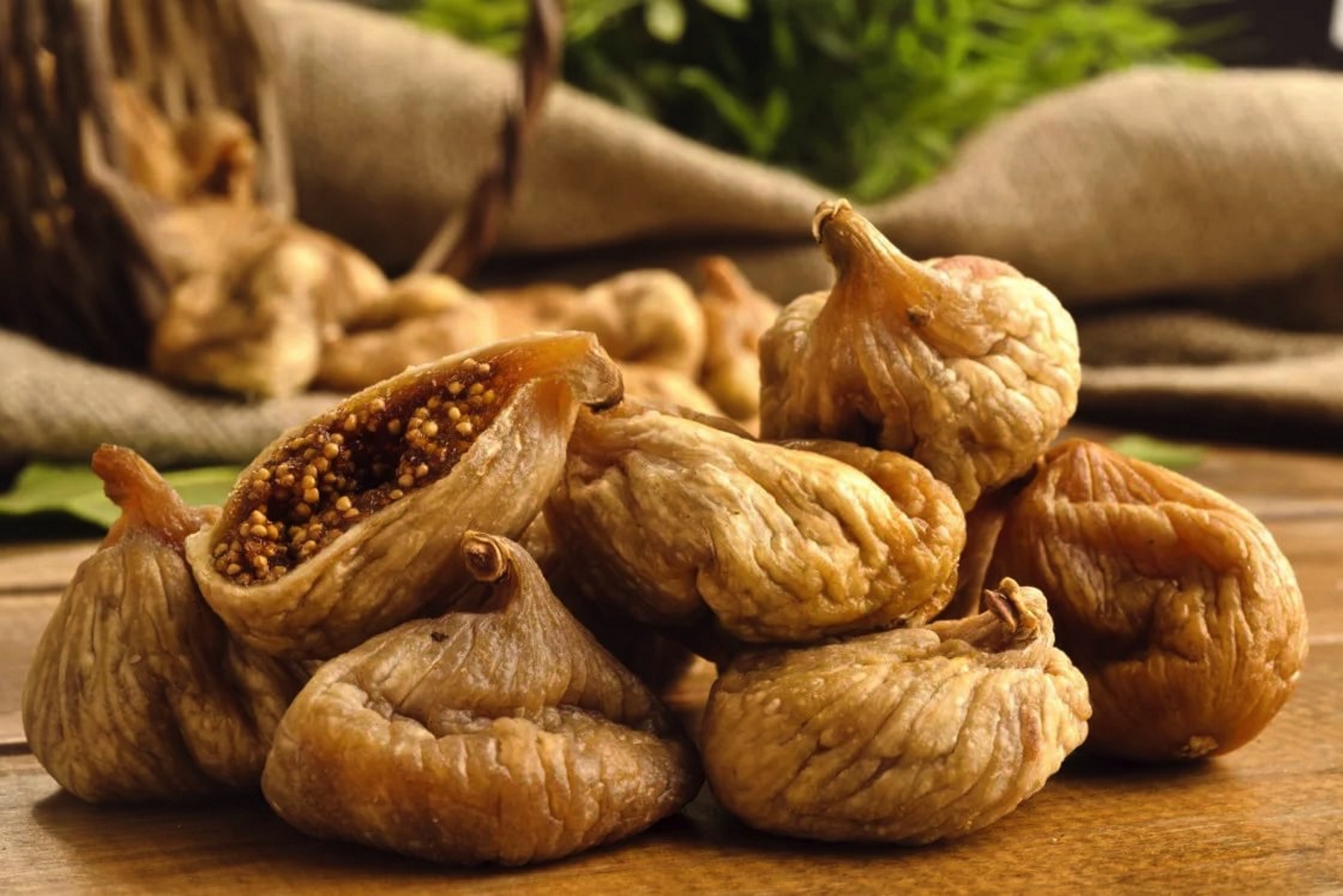
Packaging : 10 kg
Popular Types of Dried Figs
Variety | Origin | Appearance & Texture | Flavor Profile | Best Uses |
Black Mission | USA | Dark purple, jammy interior | Deep, berry-like sweetness | Snacking, baking, fig bars |
Calimyrna (Smyrna) | Turkey/USA | Golden skin, amber flesh | Nutty, honeyed | Preserves, cheese pairings |
Brown Turkey | Mediterranean | Brownish-purple, soft flesh | Mild, caramel-like | Salads, stuffing, appetizers |
Iranian Open-Mouth | Iran | Cracked top, golden hue | Sweet, chewy | Gourmet desserts, gifting |
Turkish Lerida | Turkey | Flat disks, soft amber tone | Balanced sweetness | Fig paste, bulk snacking |
Each variety offers a unique balance of texture, sweetness, and culinary potential.
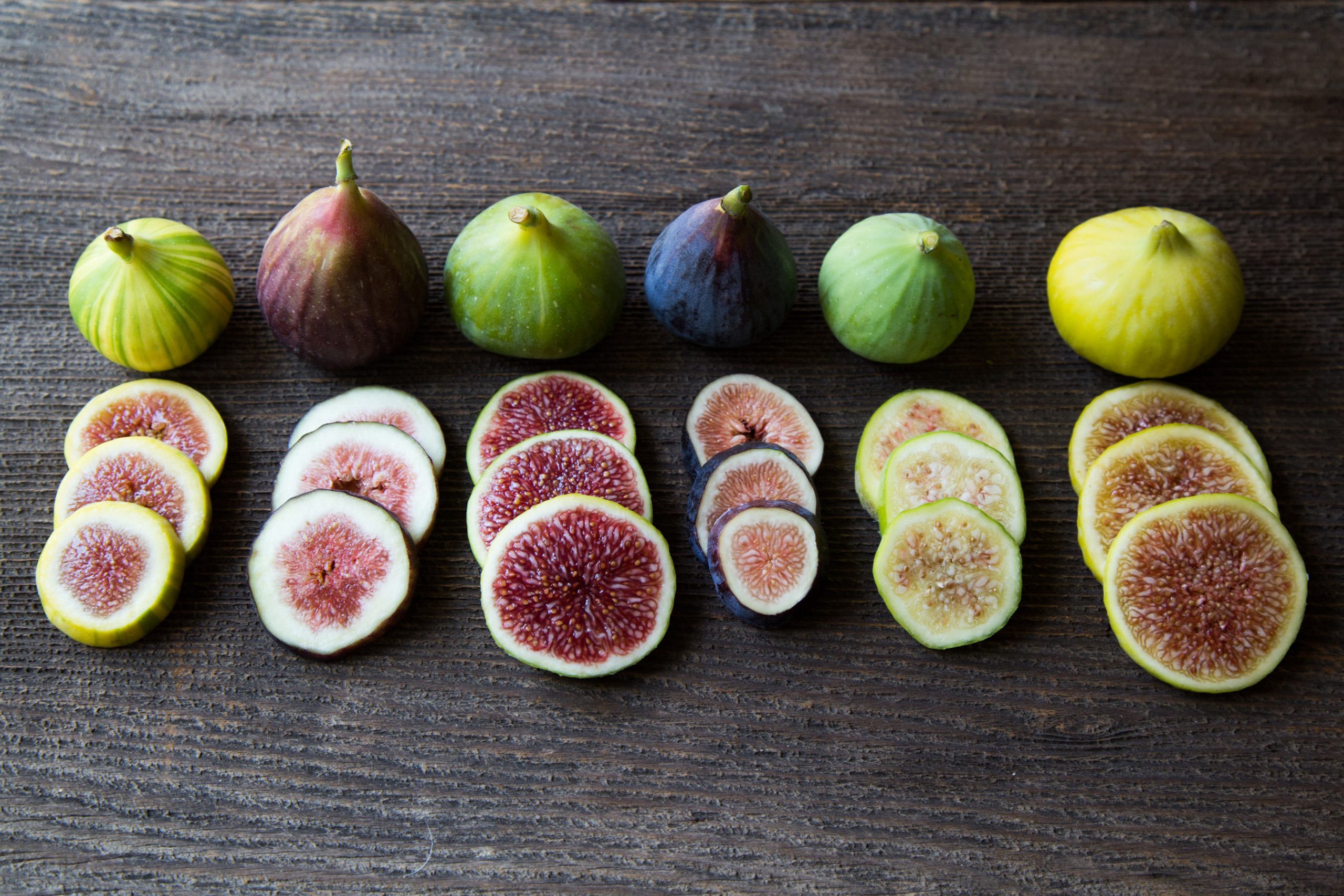
Understanding origin-specific differences in dried figs helps in selecting the right variety for snacking, baking, functional foods, or gift markets. Below is a side-by-side comparison of key features across three major sources: the United States, Iran, and other leading origins (Turkey, Greece, Italy).
Key Comparison Table
Feature | American Dried Figs | Iranian Dried Figs | Other Origins |
Varieties | Black Mission; Brown Turkey; Calimyrna; Kadota; Adriatic | Open-mouth (AAA/AA/A); Closed-mouth (AAA/AA/A); Parak; Layer | Turkey: Lerida, Protoben, Baglama, Pulled, Garland, Natural; Greece: Xera Syka; Italy: Dottato |
Drying Method | Sun-drying in warm climates or mechanical dehydration | Traditional sun-drying on trays or branches | Sun-drying (Turkey, Greece); shade or indoor drying (Italy) |
Drying Duration | 2–7 days (sun); controlled time in mechanical driers | 3–5 days until moisture reaches ~18–22% | 4–7 days, depending on climate and technique |
Appearance & Texture | Slightly flattened wrinkles; color varies by variety; jammy, moist bite | Plump with exposed seeds (open-mouth) or smooth exterior (closed-mouth); firm-chewy, low moisture | Varies by type: flat and disk-shaped (Lerida), hand-strung round (Baglama), glossy and soft (Pulled) |
Flavor Profile | Ranges from deep, jammy sweetness (Black Mission) to mild, nutty notes (Kadota) | Sweet with gentle caramel and honey undertones; Parak offers the most intense sweetness | Honey-nutty (Turkey); floral-honey (Greece); robust, earthy sweetness (Italy) |
Grade Classification | By variety and size for retail or bulk packs | Formal grades per Iran Standard 3341 (AAA ≥ 24 mm, AA 21–23 mm, A 18–20 mm; plus closed-mouth equivalents) | Less formal—often graded by size and moisture (e.g., Jumbo, Select) or by presentation type (e.g., Protoben, Garland) |
Typical Uses | Snacking, baking, preserves, fig paste | Snacking, gourmet bakery, energy bars, artisanal desserts, fig pastes | Retail pouches, gift boxes, bulk bins, ingredient sourcing for paste and processing |
Leading Producers (2019/20) | USA accounts for a smaller share—ranked after Turkey and Iran in global output | Iran produced ~30,000 MT (19% of world production) | Turkey leads with ~50% of global dried-fig output; other contributors include Greece, Italy, USA, Spain, Egypt |
Summary Insights
- American dried figs offer variety and consistency, well suited for large-scale retail and industrial dehydration processes.
- Iranian dried figs stand out for their heritage sun-drying techniques and premium open-mouth grades, commanding high export demand in gourmet and functional food markets.
- Figs from Turkey, Greece, and Italy deliver regional specialties—from Turkey’s versatile Sarı Lop types to Greece’s golden Xera Syka and Italy’s chewy Dottato—ideal for artisanal, ethnic, or gift-ware applications.
By matching origin traits—such as texture, flavor intensity, and grading systems—to product goals, buyers can optimize for cost, appearance, or culinary performance.
Specifications Dried Figs
When choosing dried figs for snacking, baking, or product development, origin dictates variety, processing, texture, and market positioning. Below is a side-by-side comparison of figs from the United States, Iran, and Turkey.
Major Varieties
Origin | Key Varieties |
American | Black Mission, Brown Turkey, Calimyrna, Kadota, Adriatic |
Iranian | Open-mouth (AAA/AA/A), Closed-mouth (A/AA/AAA), Parak, Layer |
Turkish (Other) | Lerida, Protoben, Baglama, Pulled, Garland, Natural (all from the Sarı Lop cultivar) |
Appearance & Texture
Origin | Appearance | Texture & Moisture |
American | Slightly wrinkled; colors from pale green to deep purple | Flat to plump; medium moisture |
Iranian | Plump with exposed seeds (open-mouth) or smooth skin (closed) | Chewy, low moisture |
Turkish (Other) | Flat disks (Lerida), plump rounds (Protoben), strands (Baglama) | Varies from sticky-soft to firm |
Flavor Profile & Uses
Origin | Flavor Notes | Common Applications |
American | Ranges from rich, jammy sweetness to mild, nutty | Snacking, baking, preserves, fig paste |
Iranian | Sweet with gentle caramel undertones | Gourmet desserts, snack bars, traditional dishes |
Turkish (Other) | Honey-nutty (Pulled), balanced moisture (Lerida) | Bulk retail, industrial use, specialty displays |
Choosing the right dried fig depends on your priorities:
- For variety and year-round consistency, American figs shine.
- For heritage quality and premium export grades, Iranian Anjeer excels.
- For traditional formats and cost-efficient bulk, Turkish Sarı Lop types stand out.