
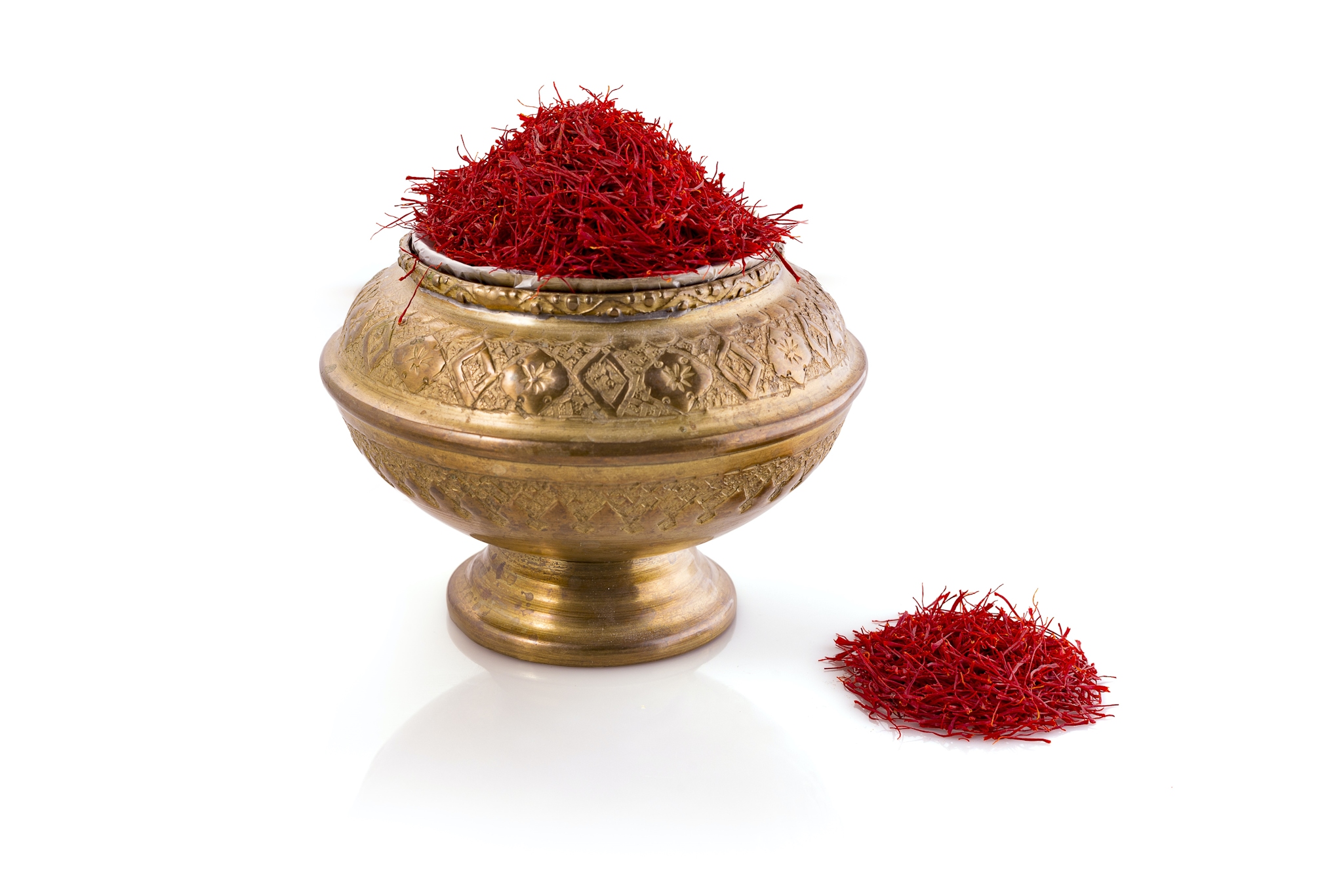
The World’s Finest Saffron, Delivered in Bulk. 🌍
Humban is premier, Saffron Supplier (as a Wholesale saffron suppliers) and Exporter. we have all kind of Saffrons for Saffron Wholesale buyers. From saffron bulk buy to bulk saffron powder we can supply it superior quality with daily worldwide saffron wholesale price. Below is a chart of the six principal saffron types—defined by which parts of the thread are included, their typical length, and relative potency.
Why Choose Our Whole Saffron? 🌟
Our whole saffron threads are hand-harvested with care to preserve their rich aroma, vivid color, and potent flavor. Each thread is a testament to authenticity, delivering the essence of pure saffron to elevate your products. Whether you’re crafting gourmet dishes, herbal teas, or natural supplements, our saffron is your key to standing out in the market. 🍴💼
Key Benefits of Our Bulk Saffron 🧡
Unmatched Quality: Grade A saffron threads, lab-tested for purity and potency. ✔️
Vibrant Flavor & Color: Deep red threads with a golden hue, perfect for premium culinary applications. 🌹
Versatile Applications: Ideal for food, beverages, cosmetics, and pharmaceuticals. 🥂
Cost-Effective Bulk Options: Flexible quantities tailored to your business needs, from 100g to multi-kilogram orders. 📦
Sustainable Sourcing: Ethically harvested from trusted growers, ensuring environmental and social responsibility. 🌍
Perfect for B2B & Wholesale Businesses 💼
Our bulk saffron is designed for businesses that demand excellence. Whether you’re a chef creating signature dishes, a manufacturer developing saffron-infused products, or a retailer offering premium spices, our whole saffron delivers consistent quality and value. We provide tailored solutions for:
Restaurants & Caterers: Add a luxurious touch to your dishes with our vibrant saffron threads. 🍲
Food Manufacturers: Enhance your products with the authentic flavor and color of premium saffron. 🏭
Retail & E-Commerce: Offer your customers the finest saffron in elegant packaging or bulk formats. 🛒
Wellness Industry: Incorporate saffron’s natural health benefits into supplements or cosmetics. 💊
Useful Notes for Using Saffron Effectively 📝
Storage Tips: Keep saffron in an airtight container in a cool, dark place to preserve its potency for up to 2 years. ❄️
Usage Guide: Soak a few threads in warm water or milk for 10–15 minutes to release maximum flavor and color before adding to your recipes. 🥛
Dosage: A pinch (5–10 threads) is enough to flavor a dish for 4–6 people, making it cost-effective for bulk use. 🍽️
Health Benefits: Saffron is rich in antioxidants, supporting mood, digestion, and overall wellness—perfect for health-focused products. 🌿
Why Partner with Us for Your Bulk Saffron Needs?
- ✅ Guaranteed Purity & Quality: Every order is accompanied by a Certificate of Analysis (COA), verifying our saffron’s ISO 3632 grade. Our batches undergo independent lab testing for full transparency.
- ✈️ Reliable & Fast Global Shipping: Our logistics network is optimized for bulk orders, offering secure and timely worldwide delivery via trusted carriers like DHL and air cargo.
- 💰 Competitive Wholesale Pricing: By working directly with our network of growers, we eliminate intermediaries, passing on significant cost savings to our wholesale clients without compromising quality.
- 📦 Flexible Packaging Options: We provide bulk packaging designed to maintain freshness and protect the delicate threads. Custom and private-label options are available to meet your specific business requirements.
- 📞 Dedicated B2B Support: Our experienced team understands the unique needs of wholesale buyers. We offer multilingual support and personalized service to ensure a seamless purchasing experience.
A Note on Quality & Sourcing 📝
Contact our B2B sales team to discuss your volume requirements and receive a personalized, competitive quote.
We provide lab reports and samples to ensure our saffron meets your exact specifications.
Your bulk order is shipped securely and promptly to your location.
Contact us today!
Type | Composition | Thread Length | Crocin Level (Potency) | Common Use | Notes |
Super Negin | Pure red stigma, thick & long | ~15–20 mm | Very High (≥ 270) | Luxury dishes, export | Premium threads; highest coloring strength and aroma |
Negin | Pure red stigma, long | ~10–15 mm | High (≥ 250) | Premium retail | Second-tier export grade, robust color and fragrance |
Sargol | Pure red stigma tips | ~5–10 mm | High (260–270) | Gourmet cooking, tea | Known as “All-Red”; intense color, trimmed at tip |
Pushal | Red stigma + small style | ~15–20 mm | Moderate–High (< 250) | Everyday cooking | Includes 1–3 mm yellow style for authenticity check |
Bunch (Dasteh) | Full stigma + full style | ~20–30 mm | Moderate (120–150) | Bulk packing, paste | Least processed; bundled threads, most economical |
Konj (Root) | Yellow-white style only | ~5–10 mm | Very Low | Medicinal, cosmetics | No coloring power; retains aroma for infusions |
This table summarizes how each saffron type is graded by which parts of the stigma and style they include, their thread length, and color-strength—crucial factors for culinary, industrial, or medicinal applications.
Humban Saffron Types by Origin
Here’s a comparative chart showcasing the most recognized saffron types from Iran, Spain, and other regions like India, Morocco, and Italy. Each type varies in appearance, potency, flavor, and culinary use.
Humban Saffron Type Comparison Chart
Origin | Type | Appearance & Structure | Potency (Crocin Level) | Culinary Use | Notes & Grade |
🇮🇷 Iran | Super Negin | Long, thick, flat red stigmas | Very High (≥270) | Premium dishes, export, medicinal | Grade 1; most expensive & rare |
Negin | Clustered red stigmas, slightly shorter | High (≥250) | Gourmet cooking, retail | Grade 1; popular for export | |
Sargol | Short, thick red tips only | High (260–270) | Everyday cooking, tea, desserts | Grade 1; pure stigma tips | |
Pushal (Mancha) | Red stigma + 1–3 mm yellow style | Moderate (≤250) | Budget-friendly culinary use | Grade 2; easier authenticity check | |
Bunch (Dasteh) | Full thread with style & stigma | Low (70–75) | Traditional use, low-cost blends | Grade 3–4; tied in bundles | |
Konj (White) | Yellow-white style only | Very Low | Cosmetic, herbal infusions | Not culinary; lowest grade |
Origin | Type | Appearance & Structure | Potency (Crocin Level) | Culinary Use | Notes & Grade |
🇪🇸 Spain | Coupe | Pure red stigmas, no style | High (≈250) | Gourmet dishes, paella, sauces | Grade 1; similar to Sargol |
La Mancha | Toast-dried stigmas, smoky aroma | Moderate–High | Regional specialties, luxury blends | Protected origin (D.O.P) | |
Rio | Red + yellow threads | Moderate | Budget cooking | Grade 3; less intense flavor | |
Sierra | Mostly yellow-orange threads | Low | Industrial blends, bulk spice mixes | Grade 4; lowest Spanish quality |
Origin | Type | Appearance & Structure | Potency (Crocin Level) | Culinary Use | Notes & Grade |
🇮🇳 India | Kashmiri Mongra | Thick red stigmas, no style | Moderate–High | Indian sweets, biryani, tea | Grade 1–2; aromatic, rare |
Kashmiri Lacha | Red stigma + style | Moderate | Traditional Indian cuisine | Grade 2–3; more moisture | |
🇲🇦 Morocco | Taliouine | Thin red stigmas, sun-dried | Moderate | Regional dishes, herbal blends | Small-scale production |
🇮🇹 Italy | Aquila | Red stigmas, hand-harvested | High | Risotto alla Milanese, gourmet use | Protected origin (D.O.P) |
🇬🇷 Greece | Krokos Kozanis | Red stigmas, mild aroma | Moderate–High | Mediterranean cuisine, teas | PDO-certified; artisanal drying |
Summary Highlights
- Iranian saffron dominates global production (~90%) and offers the widest range of grades, with Super Negin being the gold standard.
- Spanish saffron is known for its smoky aroma and protected regional varieties like La Mancha.
- Kashmiri saffron is prized for its aroma and color, though less potent than Persian types.
- Italian and Greek saffron are boutique-grade, often used in regional gourmet dishes.
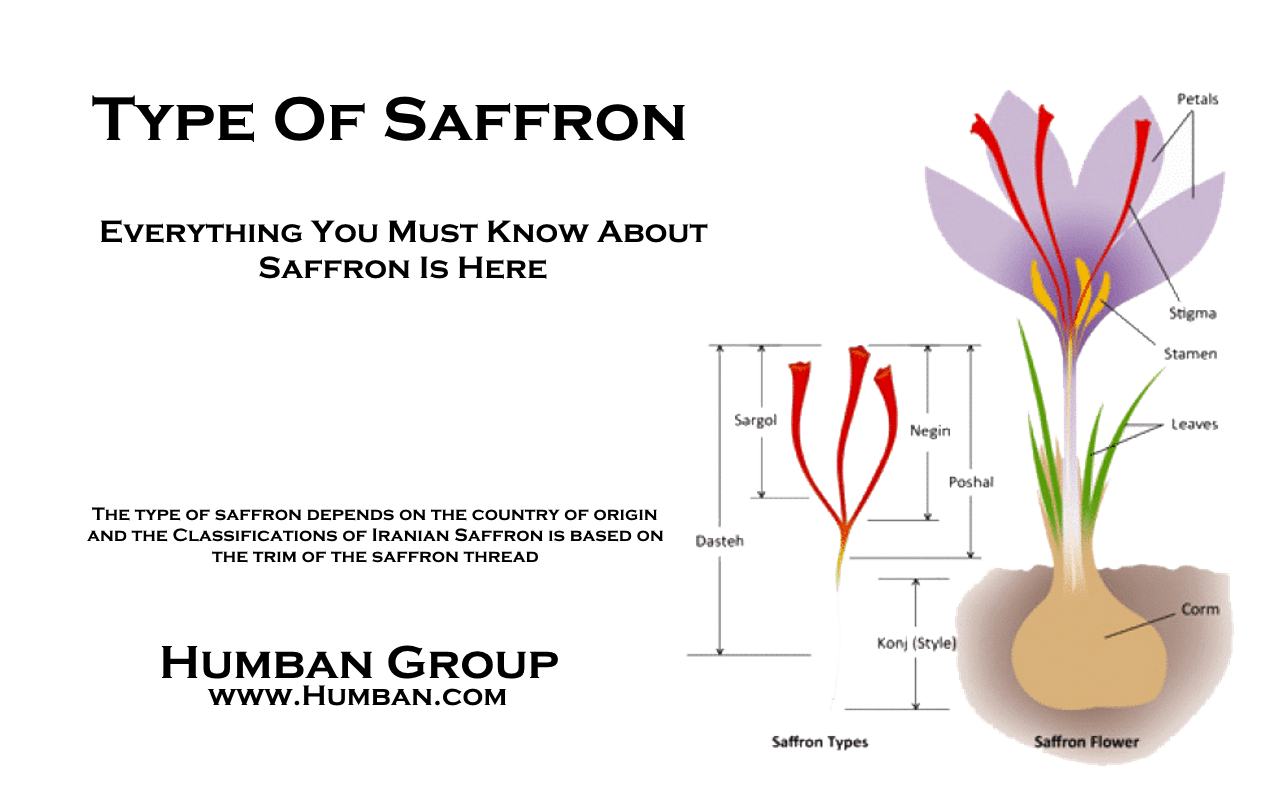
Saffron Grades: A Deep Dive into Quality, Classification & Culinary Impact
Saffron, the world’s most precious spice, is graded not only by its vibrant color but also by its aroma, flavor, and thread composition. These grades help chefs, exporters, and consumers distinguish between culinary gold and industrial filler, ensuring that each strand meets the expectations of its intended use.
ISO/TS 3632: The Global Standard for Saffron Quality
The ISO/TS 3632 grading system is the internationally recognized benchmark for saffron quality. It evaluates saffron based on three key chemical compounds:
- Crocin: Determines coloring strength
- Picrocrocin: Influences bitterness
- Safranal: Responsible for aroma
The most commonly referenced metric is crocin absorbance, measured via spectrophotometry. This determines how vividly saffron will color food or liquid.
ISO Grade | Crocin Absorbance (Color Strength) | Description | Culinary Suitability |
Grade I | > 190 | Deep red stigmas; intense color and aroma | Gourmet dishes, export-grade |
Grade II | > 150 | Strong color; moderate aroma and flavor | Premium retail, everyday cooking |
Grade III | > 110 | Acceptable color; mild aroma | Budget cooking, blends |
Grade IV | < 110 | Weak color; minimal aroma | Industrial, dye, non-culinary |
Trade-Grade Names: What You See in the Market
While ISO grades are scientific, saffron is often sold under trade-grade names that reflect traditional processing methods and visual characteristics. These names vary by region (Iran, Spain, India, Afghanistan) but generally follow this hierarchy:
Trade Grade | Composition | ISO Grade | Thread Length | Typical Use | Notes & Origin |
Super Negin | Pure red stigmas, thick, unbroken | Grade I | 9.5–12.5 mm | Luxury export, gourmet dishes | Highest quality; rare and costly |
Negin | Clustered red stigmas, long threads | Grade I | ~10–15 mm | Premium retail, high-end cooking | Slightly less uniform than Super Negin |
Sargol (All-Red) | Red stigma tips only | Grade II (–I) | 5–10 mm | Everyday cooking, tea, infusions | Most common in Persian exports |
Pushal (Mancha) | Red stigmas + 1–3 mm yellow style | Grade III | 15–20 mm | Budget-friendly recipes, authenticity check | Easier to verify as genuine saffron |
Bunch (Dokhtar) | Full stigma + full style (yellow base) | Grade IV | 20–30 mm | Bulk packing, paste production | Traditional bundles; low potency |
Style (Konj) | Yellow-white styles only | — | 5–10 mm | Medicinal, cosmetic, dye | No culinary value; lowest grade |
Visual & Sensory Indicators of Grade
Feature | High Grade (I–II) | Low Grade (III–IV) |
Color | Deep crimson red | Pale red, orange, or yellow |
Thread Uniformity | Long, thick, unbroken stigmas | Mixed lengths, broken or frayed ends |
Aroma | Strong, floral, honey-like | Faint or musty |
Flavor | Bitter-sweet, earthy | Weak or absent |
Moisture | Properly dried, brittle | Damp or sticky (risk of mold) |
Culinary Impact by Grade
Dish Type | Recommended Grade | Reason |
Paella, Risotto | Super Negin / Negin | Intense color and aroma elevate the dish |
Persian Tahdig, Biryani | Sargol / Negin | Balanced flavor and color |
Sweets & Ice Cream | Sargol / Pushal | Mild bitterness complements sweetness |
Tea & Infusions | Sargol / Pushal | Releases aroma gradually |
Date Paste, Sauces | Bunch / Pushal | Economical for bulk use |
Cosmetics & Dye | Konj / Style | Non-culinary; used for scent or pigment |
Saffron Regional Grading Variations
- Spain: Uses names like Coupe, La Mancha, Rio, and Sierra
- India (Kashmir): Grades include Mongra (pure stigma) and Lacha (with style)
- Afghanistan: Similar to Persian system but emphasizes Negin and Sargol
- ISO/TS 3632: Applies globally for export certification and authenticity testing